
Why Plant Identification Matters in Botanical Testing
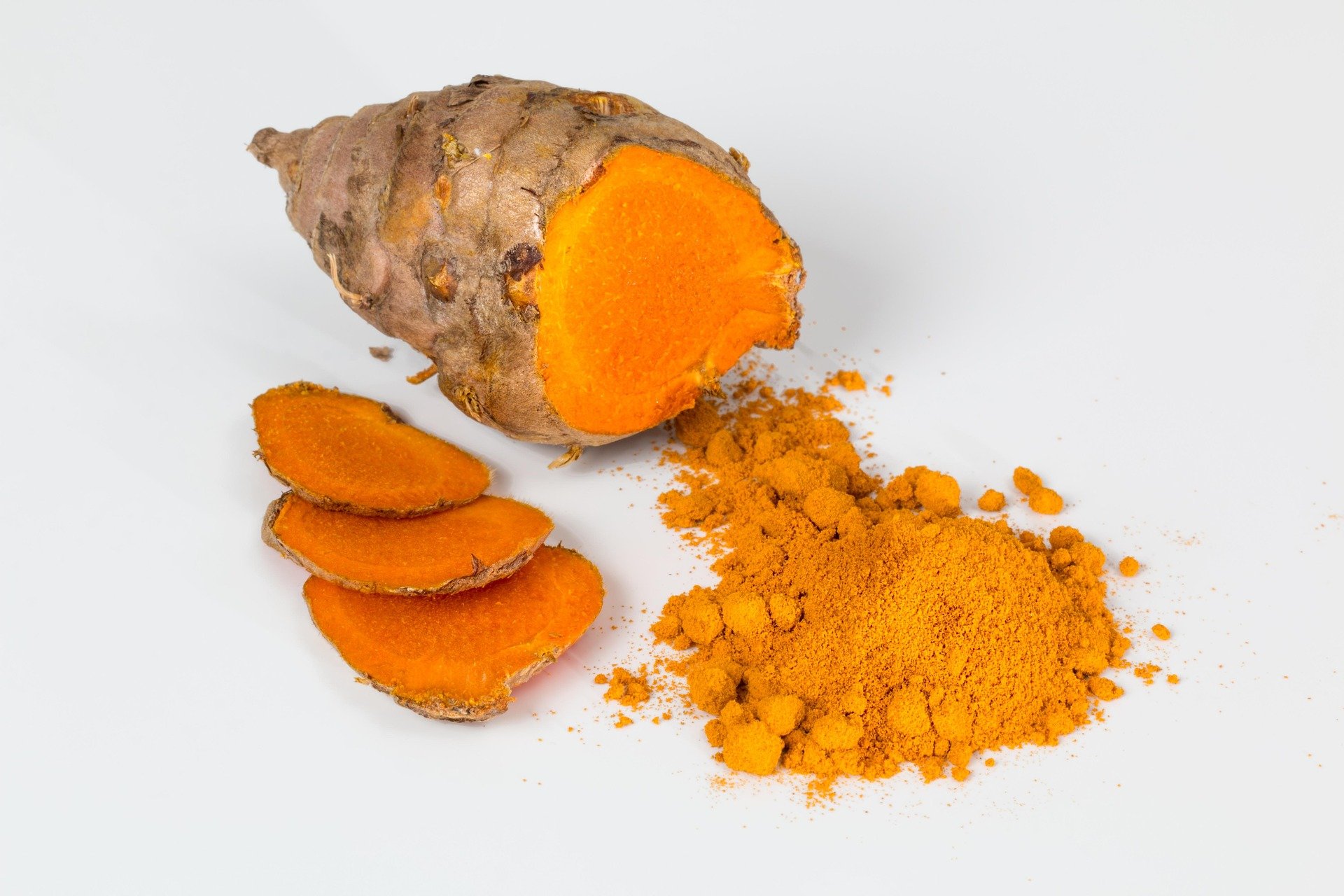
Plant identification is the first step in GMP compliance. Before anyone measures potency or screens for contaminants, someone needs to confirm the plant is what the label says. Get that step wrong, and every result that follows is irrelevant.
Plants are tricky like that. Look-alike species, different botanicals that share a common name, mixed-up plant parts, and deliberate substitutions slip into supply chains more often than most brands expect. Let’s walk through why this step matters so much and how to get it right.
What Plant Identification Actually Confirms
At its core, botanical identification answers three linked questions. Is this the right genus? Is it the right species? And is it the right plant part? Each one matters, because the roots, leaves, and flowers of a single plant can carry very different chemistry.

Echinacea is a classic example. Several species share that common name, and their constituent profiles don’t line up neatly. After milling, a root powder and an aerial-parts powder can look almost identical to the naked eye. Confirming identity also sets up accurate potency analysis, since measuring markers in the wrong plant tells you very little.
Fungi bring their own set of challenges. Many mushroom products use mycelium, fruiting bodies, or a blend of both. Grain-based mycelium products, for example, can carry a very different profile than pure fruiting bodies. Each part behaves differently in the lab, and knowing which one you have shapes every test that comes after.
How Mix-Ups Slip Into the Supply Chain
Most identity problems aren’t dramatic. They creep in through small gaps along long, often global supply chains. A material might change hands several times before it ever reaches your dock. Here are a few of the usual suspects:
- Look-alike species: Related plants are easy to confuse at harvest, especially during wild collection.
- Wrong plant parts: Stems or leaves sometimes end up in lots that should contain only roots.
- Economic adulteration: Some suppliers add cheaper material to stretch a costly ingredient or mimic its marker compounds.
- Confusing common names: One common name can point to several different plants depending on the region.
- Processing changes: Drying, grinding, and extraction erase the visual features that make plants easy to recognize.
Not every mix-up comes from bad intent, but your customer feels the impact either way. That’s why careful identification at intake is so worth the effort. The American Botanical Council’s Botanical Adulterants Prevention Program tracks many of these issues ingredient by ingredient. We think it’s a fantastic resource for any quality team.
The Regulatory Side of Botanical Identification
In the United States, identity testing is required for supplement makers. The FDA’s current good manufacturing practice rules require an appropriate identity test or examination for every dietary ingredient. A supplier’s paperwork alone doesn’t satisfy that requirement.
Regulators want proof, not promises. Good identification records show inspectors that you verified each lot before it entered production. Those records are also a regulatory requirement. FDA’s cGMP rules require manufacturers to keep them for one year past the shelf-life date, or two years after the last batch is distributed if no shelf-life date is used. The same documentation supports retailer and marketplace requests.
Supplier certificates of analysis still have a role as a cross-check, as long as the document is genuine. Some suppliers alter valid lab reports, changing lot numbers or even results. If a CofA was issued by Alkemist Labs, our CofA authentication tool can confirm within seconds whether it has been altered.
Matching the Method to the Material
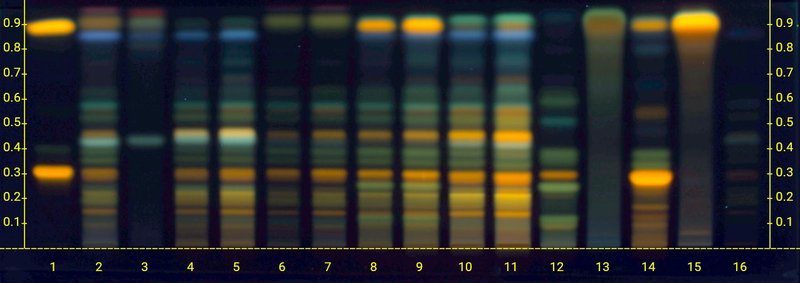
No single technique works for every plant. Whole or cut herbs are well suited to macroscopic and microscopic examination. Powdered extracts usually call for chemical fingerprinting with methods like HPTLC. Many samples need an orthogonal approach, where two or more independent techniques confirm the same identity. Choosing the right combination takes real familiarity with each plant’s quirks.
A fingerprint only means something when you compare it against a qualified reference material. That’s where our herbarium comes in. It’s the largest herbarium of any third-party lab, and its specimens anchor our comparisons every single day. Each one gives our analysts a verified point of reference, not a best guess.
Context matters too. A lab that knows a material’s origin and processing history can choose smarter methods from the start. That’s one reason we ask clients to share as much sample background as they can. Details about extraction solvents are especially helpful, since the solvent impacts which compounds show up in the fingerprint.
Building a Stronger Identity Program
Strong programs start with clear specifications. Define the exact species, plant part, and form you expect before a lot ever arrives. Then match your test methods to that specification, not the other way around. Your specifications should also note acceptable methods and who signs off on results.
Reference materials deserve the same care. Choosing the right botanical reference materials gives you confidence in your results and traceability to qualified material. Keep an open line with your testing lab, too. Questions about identification results are much easier to resolve when everyone talks early.
It also helps to watch for trends over time. If one supplier keeps sending borderline lots, that pattern tells you something worth acting on. Tracking results across lots turns individual tests into real supplier insight. Those patterns make supplier conversations far more productive.
Getting the Foundation Right
Identification might not be the flashiest part of quality control, but everything else depends on it. Potency numbers, contaminant screens, and label claims all assume the plant is correct. When that assumption holds, your whole quality story holds together too. Skipping it rarely saves time in the end.
At Alkemist Labs, we’ve spent decades helping botanical and fungal brands confirm what’s really in their materials. We genuinely believe herbs work, and we want your products to live up to that promise. Our scientists love a good botanical puzzle, and we’re always happy to share what we know. Got a tricky sample or a testing question on your mind? Reach out to our team, and let’s work through it together.